
Registering an Imported Vehicle in France: Steps, Timelines and Costs for 2026


Registering an imported vehicle in France requires obtaining a French registration certificate within one month of purchase or import. Without this log book (carte grise), driving is prohibited. Here’s the exact procedure, the documents you’ll need and the deadlines to meet in 2026. For more details, check out our in-depth guide on registering imported vehicles.
1. Check your imported vehicle’s eligibility before starting
Not all imported vehicles can be registered in France. Three main conditions apply.
- European compliance. The vehicle must meet current European standards. American or Japanese vehicles require individual approval, which is far more complex and costly.
- Complete foreign registration documents. You must have all the documents from the country of origin. Without them, the process will be blocked.
- No administrative restrictions. The vehicle must not be subject to seizure or a lien. Check the foreign administrative status certificate.
If your vehicle comes from an EU country, the process is simplified thanks to mutual recognition of certificates of conformity. For a vehicle imported from outside the EU, individual approval is often necessary. Additional costs can run into several thousand euros.
Special case: vehicle already registered in your name abroad
If you already own a vehicle registered in your name in another EU country, you can register it in France without additional approval. All you need to do is obtain a new French registration certificate by providing the documents from your foreign registration.
2. Obtain the European Certificate of Conformity (mandatory)
The certificate of conformity confirms that your vehicle meets European safety and emissions standards. Without it, your application will be rejected by the ANTS (Agence Nationale des Titres Sécurisés).
- For an EU vehicle. The certificate is usually provided with the vehicle by the manufacturer. Make sure it bears the EU logo.
- For a non-EU vehicle. You must have individual approval carried out by an authorised body. This process costs between €500 and €2,000 and can take several weeks.
3. Have the vehicle inspected in France (mandatory for vehicles over 4 years old)
A French roadworthiness test (contrôle technique) is mandatory to register an imported vehicle over 4 years old. It must be carried out at an approved centre in France.
- Validity period. The test must be less than 6 months old when you submit your application.
- Specific checks. It includes additional checks, particularly on emissions.
- Cost. Expect to pay between €80 and €120.
If your vehicle fails the test, you’ll need to carry out the necessary repairs before it can be registered.
4. Gather the required documents for your registration application
The list of documents is strict. An incomplete file will result in immediate rejection.
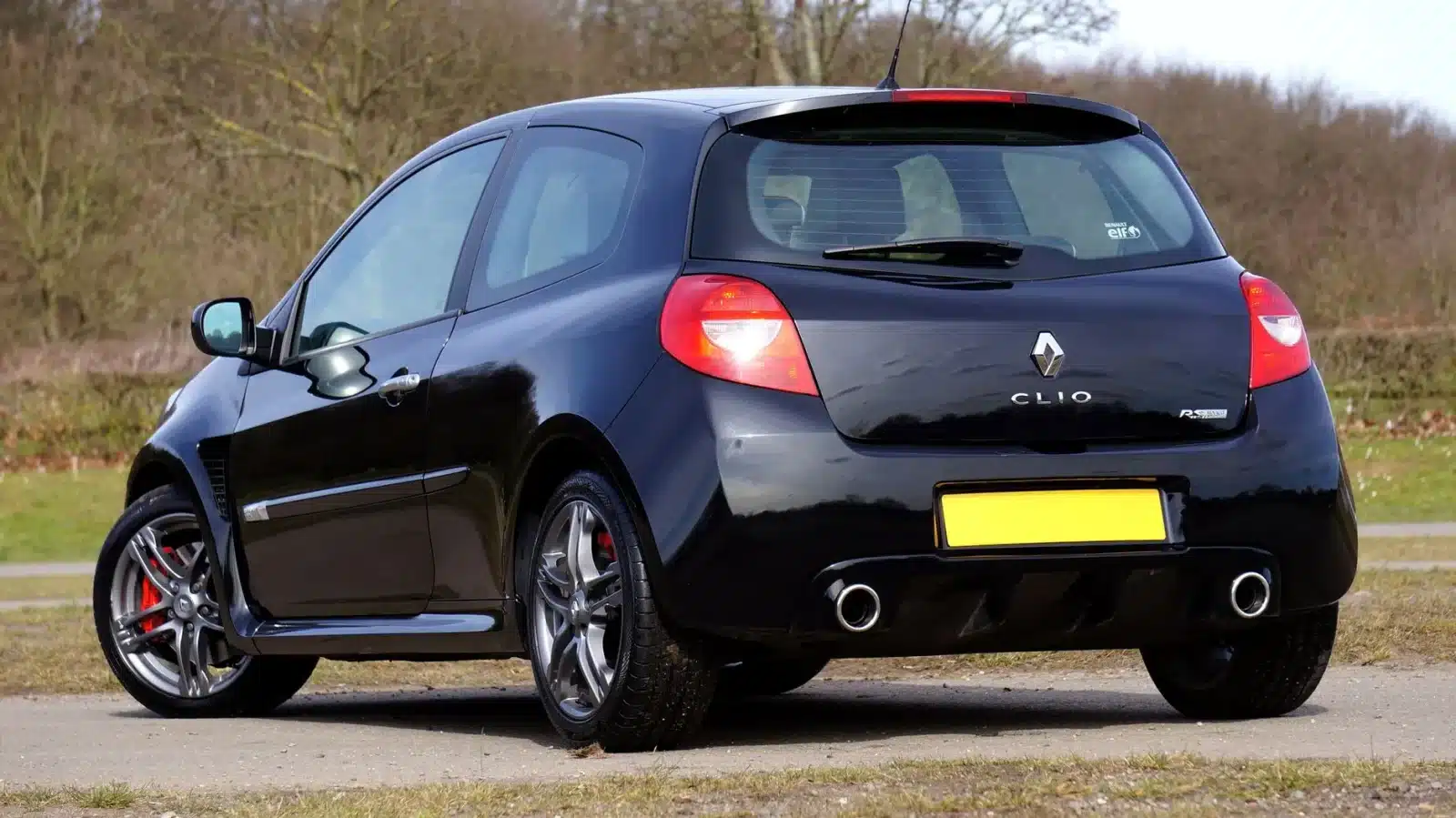
Here are the documents you’ll need:
| Document | Origin | Validity | Where to obtain it |
|---|---|---|---|
| European Certificate of Conformity | Manufacturer or approved body | Unlimited (unless vehicle is modified) | Provided with the vehicle or ordered separately |
| Previous foreign registration certificate | Country of origin | Must be crossed out with “sold” or “exported” | Original must be provided |
| Purchase invoice or transfer certificate | Seller or importer | Must state the price and contact details | Original or certified copy must be provided |
| Proof of address less than 6 months old | France | Electricity bill, phone bill, rent receipt | EDF, mobile operator, landlord |
| ID document (national ID card or passport) | France | Valid | Préfecture or FranceConnect |
| French roadworthiness test less than 6 months old | Approved centre in France | Maximum 6 months | Roadworthiness test centre |
| Current insurance certificate | French insurer | Mandatory minimum cover | Provided online or by post |
Full list of documents required. Source: immatriculation.ants.gouv.fr
If your vehicle comes from a non-EU country, a sworn translation may be required for documents not written in French or English.
5. Submit your application online on the ANTS website (mandatory)
Since 2017, all vehicle registration applications in France must be submitted online via immatriculation.ants.gouv.fr.
- Create an account. Use your email address and a secure password.
- Enter the information. Fill in Cerfa form no. 13750*08 online.
- Upload the documents. Scan and upload all documents in PDF format (max 2 MB per file).
- Pay the taxes. Payment is made online by credit card. The total cost depends on the regional tax, the management fee (€11), the delivery fee (€2.76) and the processing fee (€2.50).
The average cost of registering an imported vehicle ranges from €200 to €500. For example, in the Île-de-France region, expect to pay around €350 for a 5-tax-horsepower car. In Brittany, the cost is closer to €250 for the same vehicle.
6. Processing times and tracking your application
Once your complete application has been submitted, the processing time is usually 7 to 10 working days. The ANTS will then send your new registration certificate within 3 to 5 working days after approval.
- Legal deadline. You have one month after purchase or import to submit your application. After this period, you risk a fine of €135 to €750 (official source).
- Track your application. You can monitor progress directly on your ANTS account. Email notifications are sent at each stage.
- Delivery of the registration certificate. It is sent by recorded delivery with acknowledgement of receipt.
If your application is incomplete, the ANTS will send you a rejection email. You will then have 30 days to rectify the situation.
7. What to do once you have your French registration certificate
Once you have your new French registration certificate, you’ll need to update several items.
- Insurance. Contact your insurer to update the registration certificate in your policy.
- Roadworthiness test. It is valid for 2 years for vehicles under 10 years old, then annually.
- Mandatory equipment. Check that your vehicle is equipped with the mandatory items in France: high-visibility vest, warning triangle.
- Number plates. Have SIV-compliant plates made. Expect to pay between €20 and €50 for two plates.
If your vehicle comes from a country where driving is on the right, adjust your mirrors and headlights.
8. Total cost and concrete examples
The total cost depends on several factors: region, vehicle’s taxable horsepower, and any approval fees.
| Expense item | Estimated cost (2026) | Details |
|---|---|---|
| Regional tax per taxable horsepower | €50 to €200 | Varies by region and taxable horsepower |
| Management fee | €11 | Fixed |
| Delivery fee | €2.76 | Fixed |
| Processing fee | €2.50 | Fixed |
| Roadworthiness test | €80 to €120 | Mandatory for vehicles over 4 years old |
| Sworn translation | €50 to €150 | For documents not in French or English |
| Individual approval (non-EU) | €500 to €2,000 | Only for vehicles imported from outside the EU |
| Number plates | €20 to €50 | For two SIV-compliant plates |
Summary of costs for registering an imported vehicle in France in 2026. Source: immatriculation.ants.gouv.fr
Example 1: Car imported from Germany (5 taxable horsepower, registered in your name)
- Regional tax: €120 (Île-de-France)
- Management fee: €11
- Delivery fee: €2.76
- Processing fee: €2.50
- Roadworthiness test: €95
- Plates: €35
- Total estimated: €266.26
Example 2: Car imported from the United States (7 taxable horsepower, individual approval)
- Regional tax: €180 (Provence-Alpes-Côte d’Azur)
- Management fee: €11
- Delivery fee: €2.76
- Processing fee: €2.50
- Roadworthiness test: €110
- Sworn translation: €100
- Individual approval: €1,500
- Plates: €45
- Total estimated: €1,951.26
9. Mistakes to avoid at all costs
- Neglecting the certificate of conformity. Without this document, your application will be rejected. Check its validity before you start.
- Forgetting to cross out the old registration certificate. If you buy a vehicle that’s already registered, the old registration certificate must be crossed out with “sold” or “exported” by the seller.
- Underestimating deadlines. Allow at least 2 weeks to get your new registration certificate. Don’t drive without a valid registration certificate.
- Ignoring regional specifics. Some regions apply additional taxes or have specific rules.
- Neglecting insurance. Your insurer must be informed of the change within 15 days. Without this update, your policy could be void in the event of a claim.

10. What to do if the ANTS rejects your application
If your application is rejected, you’ll receive an email detailing the reasons. The most common are:
- Missing or invalid document.
- Error in the Cerfa form.
- Vehicle not compliant with European standards.
- Previous registration certificate not crossed out with “sold”.
- Non-compliant roadworthiness test.
To rectify the situation, correct the errors or provide the missing documents. You have 30 days to do so. Otherwise, your application will be cancelled.
11. Importing an electric or hybrid vehicle: key points to watch
If you’re importing an electric or hybrid vehicle, specific rules apply.
- Battery. It must comply with European standards (UN Regulation No. 38.3).
- Charging. Make sure the vehicle is compatible with French charging points (Type 2, Combo CCS, CHAdeMO).
- Eco bonus. It does not apply to vehicles already registered abroad.
- Approval. Electric vehicles imported from outside the EU require individual approval. Budget an additional €1,000 to €3,000.
12. Importing a classic or vintage vehicle
For classic or vintage vehicles (over 30 years old), the process is simplified.
- Certificate of conformity. Not mandatory, but you must provide a certificate of conformity to the European standard applicable at the time.
- Roadworthiness test. Not mandatory, but a conformity check may be required by the préfecture.
- Specific plates. Classic vehicles can obtain black plates with the word “collection”.
- Insurance. They often benefit from reduced rates but must be insured at least for third-party liability.
To obtain collection plates, provide a certificate from the FFVE (Fédération Française des Véhicules d’Époque) or an approved club.