
LPG Tank Inspection: When and How to Do It

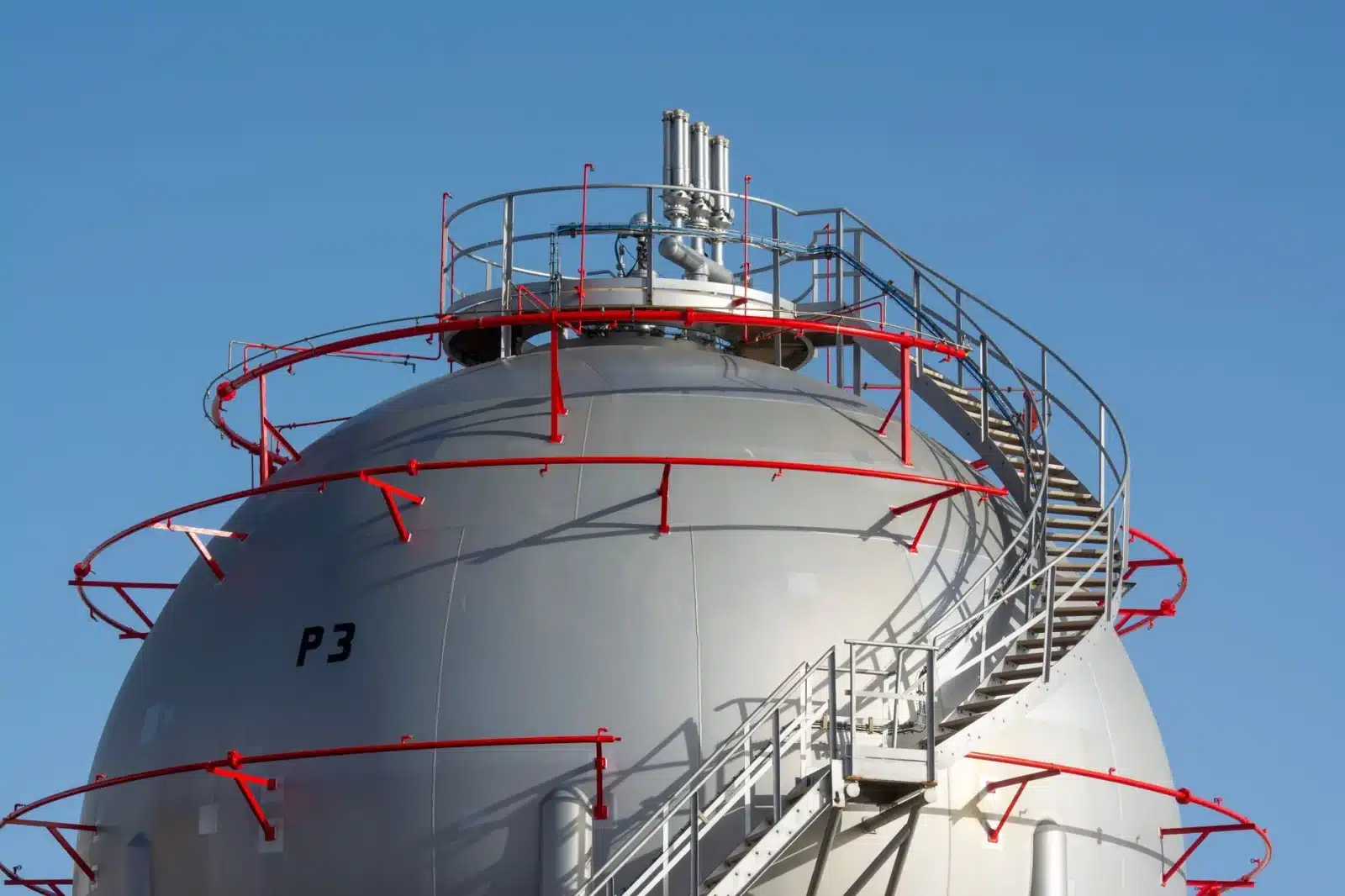
In France, LPG tank inspection is mandatory for all vehicles equipped with this system. The aim is to prevent risks such as leaks or explosions.
Why inspect your LPG tank?
A poorly maintained LPG tank can pose serious risks. Leaks, corrosion or even explosions are possible.
French regulations therefore require regular inspections. This ensures the vehicle is safe to use and protects others on the road.
For example, a motorhome owner had their insurance claim rejected after a fire. The leak came from a tank that hadn’t been checked since it was installed.
For an LPG vehicle, this inspection is separate from the standard MOT (roadworthiness test). LPG, CNG & hydrogen require specific checks.

When should you have your LPG tank inspected?
The frequency depends on when the tank was installed. Check the label on the tank for the deadline.
- Tanks installed before 2018: check the date on the label.
- Tanks installed after 2018: the frequency may vary depending on the model.
Note: the standard MOT does not cover this inspection. The two checks remain separate.
Where to have your LPG tank inspected?
Approved centres and options available
The inspection must be carried out by an approved professional. Several options are available.
- Approved LPG centres: specialising in installations and inspections.
- Car dealerships: some offer this service.
- Independent garages: check they are LPG-approved before booking.
To find a centre near you, consult specialist directories. Some insurers also offer partnerships.
For commercial vehicles, CNG for professionals may also require specific checks.
How much does an LPG tank inspection cost?
The price varies depending on the centre and the type of tank. Expect to pay between €80 and €150 for a full inspection.
- Visual and dimensional check of the tank.
- Leak test (using helium or nitrogen).
- Inspection of accessories (valves, hoses, connectors).
- Issue of a compliance certificate if everything is in order.
What happens during the LPG tank inspection?
The inspection follows several steps, carried out by an approved technician.
- Administrative check: vehicle registration document, tank compliance certificate and service log.
- Visual inspection: general condition of the tank, mountings and protective covers.
- Leak test: pressurised with a tracer gas to detect leaks.
- Accessory check: valves, hoses, connectors and cap.
If the tank passes, the technician will issue a certificate. Keep it safe.

What if the tank fails the inspection?
If faults are found, the technician will issue a non-compliance report. You’ll then have a set time to carry out repairs.
- Minor repairs: replacing a hose or valve (€50 to €200).
- Major repairs: replacing the tank (€1,000 to €2,500).
A follow-up inspection is needed after repairs to get the certificate.
What are the risks of skipping the inspection?
- Possible legal penalties.
- Insurance may refuse to pay out in the event of a claim.
- Police could immobilise the vehicle.
- Higher risk of accidents due to gas leaks.
To avoid these issues, stick to the inspection deadlines. For petrol vehicles, everything you need to know about LPG can help you understand the stakes.
How to prepare your vehicle for the inspection
To make the inspection easier, follow these steps before visiting the approved centre.
- Check the tank’s general condition (dents, corrosion).
- Inspect accessories (cap, hoses, valves).
- Prepare the documents (vehicle registration, compliance certificate).
- Clean the tank to make the visual inspection easier.
If you’re considering a conversion, France’s hydrogen filling station map may be useful for your research.
Why is this requirement stricter than for a standard vehicle?
An LPG tank operates under pressure. Unlike a petrol or diesel tank, even a small crack or weakened weld can turn a slow leak into a serious incident—especially in an enclosed space like an underground car park. This is why a dedicated inspection is required, separate from the standard MOT and carried out by a professional trained in this type of equipment.
An LPG tank isn’t just an accessory—it’s a key part of the vehicle’s safety system, along with the hoses and valves around it. A single fault in any of these components can invalidate the entire inspection, even if the tank itself is in good condition.
Keeping track of inspections
Every inspection results in a dated document, which should be kept with the vehicle’s service log. In the event of a roadside check or accident, this proof shows you’ve complied with the requirement. Many owners lose this document over the years—it’s a good idea to keep a digital copy as well as the original.
What to do before selling an LPG-equipped vehicle
If the tank’s inspection is due soon, it’s best to have it done before selling rather than after. A potential buyer will almost always ask for the date of the last inspection and the certificate. A tank that’s overdue for inspection can be used as a bargaining chip to lower the price—or even put buyers off entirely.
The tank’s compliance certificate and the label showing its installation date must be handed over to the new owner along with the rest of the vehicle’s documents.
Common misconceptions about LPG tank inspections
Some drivers think a new tank doesn’t need inspecting. That’s not true—the installation date doesn’t exempt you from the periodic checks required by law. Others assume the standard MOT covers this inspection. It doesn’t—the two checks are separate and must each be done on schedule.
Some also put off the inspection, thinking a small leak isn’t serious as long as it’s not visible. That’s exactly what the leak test is for—to spot these issues before they become noticeable, and before they become dangerous.